
Dogecoin: A Beginner’s Guide to the Meme Coin
Dogecoin, often seen as a lighthearted cryptocurrency, has surprisingly grown into a significant player in the digital currency space. Despite its origins as a joke, Dogecoin has captivated millions of users, and its unique position within the broader cryptocurrency market raises intriguing questions about how digital assets can thrive in unexpected ways. This guide will take you through the basics of Dogecoin, how it works, and why it has attracted such widespread attention.
What is Dogecoin?
Dogecoin is a cryptocurrency, just like Bitcoin and Ethereum, but with a distinct twist: it was initially created as a parody. It emerged in December 2013, conceived by software engineers Billy Markus and Jackson Palmer. The duo’s intention was to create a fun, approachable alternative to Bitcoin, which at the time seemed too serious and intimidating for the average person.
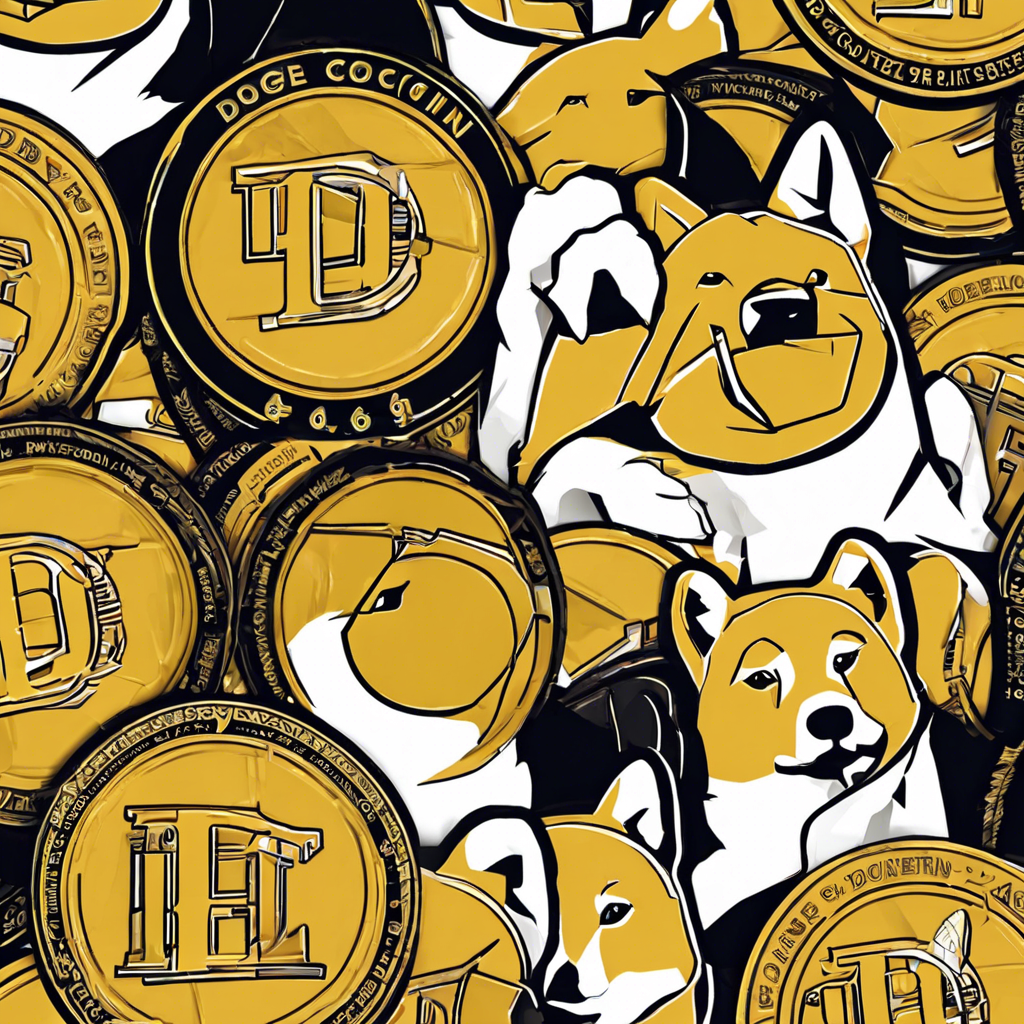
The coin’s logo—a Shiba Inu dog from the “Doge” meme—was central to its creation. This playful design set the tone for Dogecoin’s identity: a community-driven coin built on humor, lightness, and inclusivity. While Dogecoin’s creation was purely humorous, its community quickly gained traction, and the coin began to take on a life of its own.
How Does Dogecoin Work?
Dogecoin operates on a decentralized network, similar to other cryptocurrencies. It uses blockchain technology, which records all transactions across a distributed ledger. This means that Dogecoin transactions are verified by a network of computers (miners), ensuring security and transparency.
However, one major difference between Dogecoin and many other cryptocurrencies is its inflationary model. Unlike Bitcoin, which has a capped supply of 21 million coins, Dogecoin has no hard supply limit. This means that new Dogecoins are continuously mined, which contributes to its inflationary nature. Currently, about 5 billion new Dogecoins are mined each year.
While this may seem like a negative feature, it helps keep Dogecoin’s value relatively stable. The continuous supply of Dogecoin discourages hoarding, and the community’s focus is more on using the currency for tipping, transactions, and charity rather than speculative investment.
The Role of the Dogecoin Community
A significant factor contributing to Dogecoin’s success is its vibrant and passionate community. Dogecoin has managed to carve out a space for itself, not just as a cryptocurrency, but as a cultural phenomenon. From its early days, the community centered around fun, memes, and charitable causes.
In the early 2010s, Dogecoin enthusiasts used the coin to fund various charitable projects. For instance, they raised funds to help sponsor the Jamaican bobsled team to compete in the 2014 Winter Olympics. Additionally, they raised money to build a well in Kenya. These actions not only spread awareness of Dogecoin but also established a positive and community-oriented image for the coin.
The community has also embraced the concept of tipping. Dogecoin has been used as a way for internet users to reward content creators or show appreciation for online contributions. This kind of everyday use as a “digital tip” has endeared the cryptocurrency to a broader audience.
Dogecoin and the Role of Celebrities
One of the most interesting aspects of Dogecoin’s rise has been its celebrity endorsements, particularly from high-profile figures like Elon Musk. Musk’s tweets have often sent the value of Dogecoin soaring, attracting even more attention to the coin. In fact, Musk’s playful comments and memes about Dogecoin have led to the coin being referred to as the “people’s crypto.”
These high-profile endorsements have turned Dogecoin into a meme that transcends the cryptocurrency space. However, it’s important to note that while Musk’s support has undoubtedly fueled Dogecoin’s growth, it has also led to volatility, with its price often swinging dramatically based on Musk’s latest tweet or comment.
Dogecoin’s Volatility
Like many cryptocurrencies, Dogecoin has been highly volatile. Its price has surged in response to media coverage and social media trends. However, it has also experienced significant drops, with many critics pointing to its lack of a clear use case or long-term strategy.
Dogecoin’s volatility may be attractive to speculators, but it also raises concerns for potential investors. For those who are considering Dogecoin as an investment, it’s crucial to keep in mind that cryptocurrencies are inherently risky, and Dogecoin’s unpredictable nature makes it particularly so.
Dogecoin as a Payment Method
Despite its reputation as a meme coin, Dogecoin has practical uses in the real world. Several businesses, both online and physical, accept Dogecoin as a form of payment. The coin’s relatively low transaction fees and fast confirmation times make it an attractive option for those seeking a low-cost alternative to traditional payment methods.
However, Dogecoin’s adoption as a payment method is still limited compared to more established cryptocurrencies like Bitcoin or Ethereum. While it’s accepted by a growing number of merchants, it’s not as widely recognized as a mainstream payment option.
Dogecoin vs. Bitcoin
While Dogecoin and Bitcoin both fall under the category of cryptocurrencies, they differ in several key ways. Bitcoin, created by the mysterious Satoshi Nakamoto, is the first and most well-known cryptocurrency. It has a limited supply of 21 million coins and has established itself as a store of value and a potential hedge against inflation. Many investors see Bitcoin as a “digital gold” due to its scarcity and long-term potential.
In contrast, Dogecoin’s inflationary model and its origins as a meme set it apart. It is often viewed as a more playful and accessible alternative to Bitcoin. Dogecoin’s appeal is rooted in its fun nature, community engagement, and practical uses like tipping and donations. However, it lacks the same level of institutional support and mainstream recognition that Bitcoin enjoys.
The Future of Dogecoin
The future of Dogecoin remains uncertain. While its community continues to thrive, its value fluctuates significantly, and its inflationary supply model raises concerns about long-term sustainability. However, Dogecoin’s success proves that even a meme can have staying power if the community surrounding it remains strong and engaged.
In recent years, there has been increased interest in Dogecoin as more people become familiar with cryptocurrencies. However, it is still unclear whether Dogecoin will transition from a meme coin to a more widely adopted digital asset or remain a niche project driven primarily by the online community.
Conclusion
Dogecoin’s journey from a joke to a serious player in the cryptocurrency market is a testament to the power of community and the unpredictability of digital currencies. While its future remains uncertain, Dogecoin has undoubtedly captured the imagination of millions of people around the world. Whether it remains a meme or becomes a mainstream currency, Dogecoin’s legacy will be defined by its unique and spirited community, which continues to push the boundaries of what a cryptocurrency can be. For anyone interested in the world of digital assets, Dogecoin serves as a reminder that even the most playful ideas can sometimes become something much bigger than expected.