
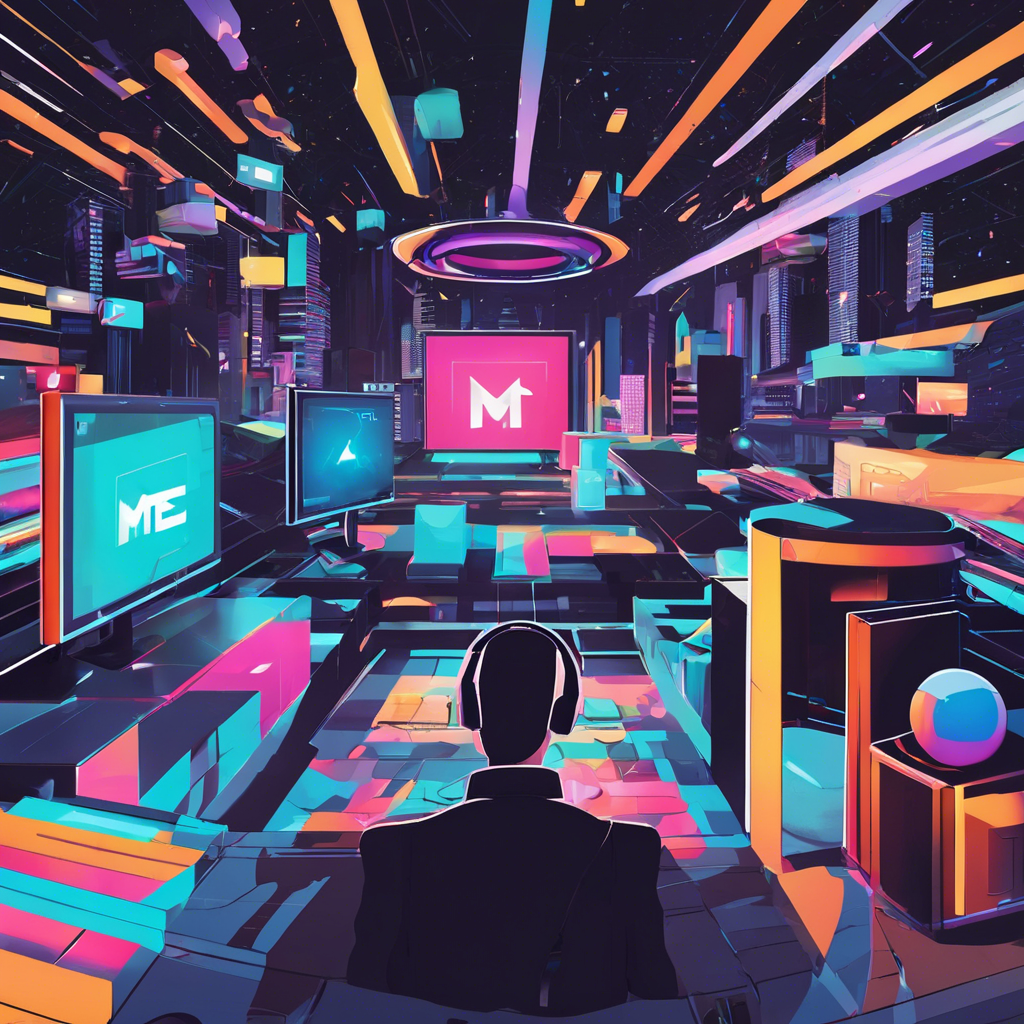
The Metaverse is quickly becoming a buzzword that’s being thrown around in various circles, from tech giants to entertainment industries, but what does it really mean? In simple terms, the Metaverse is a collective virtual shared space, created by the convergence of virtually enhanced physical reality and persistent virtual spaces. It’s a digital universe, where people can interact with each other, digital objects, and the environment in real-time, all through avatars. This experience is typically accessed through virtual reality (VR) or augmented reality (AR) technologies, although it is often seen as an evolution of the internet.
What is the Metaverse?
To break it down further, the Metaverse is not a single platform or one entity, but rather an interconnected network of virtual spaces. It integrates various elements from digital gaming, social media, virtual worlds, and online marketplaces. Imagine a place where you can hang out with friends, attend virtual concerts, shop for digital clothes, or even work in virtual offices—all in one seamless environment. It’s an expansive online world that users can visit through avatars, allowing them to interact with the space and each other, as well as participate in activities such as gaming, trading, and even attending live events like concerts or conferences.
The Metaverse is powered by the combination of technologies such as VR, AR, artificial intelligence (AI), blockchain, and cloud computing, each of which plays a crucial role in shaping the experience. Whether it’s the immersion provided by VR headsets or the trade of digital assets like NFTs (Non-Fungible Tokens), the Metaverse uses various tools to create a rich and interactive experience.
How Does the Metaverse Work?
The Metaverse functions by building a virtual environment where users can engage in real-time interactions. These interactions are made possible through avatars—digital representations of real people—which act as the user’s presence in the Metaverse. These avatars are customizable, allowing individuals to represent themselves in the virtual world however they want.
Virtual reality headsets, such as those from Oculus or HTC Vive, are among the most popular devices used to enter the Metaverse. These headsets provide immersive experiences that allow users to feel as though they are truly in the space, with 360-degree views and spatial audio. Augmented reality (AR), on the other hand, enhances real-world environments with digital elements. It uses devices like smartphones or AR glasses to overlay virtual content onto the physical world. For example, the game Pokémon GO utilizes AR to bring virtual characters into your real-world surroundings.
While VR offers full immersion into the digital world, AR enhances your existing environment. In the Metaverse, both technologies may be used together to create a more engaging experience. Users can socialize, play games, or even shop for virtual products, from the comfort of their homes, while interacting with others in real-time.
Virtual Economy and Digital Assets
One of the defining features of the Metaverse is its economy. It’s not just about interacting with virtual environments or playing games, but also about creating and trading digital assets. NFTs (Non-Fungible Tokens) play a significant role here. NFTs are unique digital items that can represent anything from art to in-game items, clothing, or even real estate within the virtual world.
Blockchain technology is used to secure these digital assets, allowing for verifiable ownership and the transfer of goods in a decentralized way. This means that people can buy, sell, and trade digital goods across different platforms within the Metaverse. For example, a piece of art in one Metaverse environment could be bought and displayed in another, providing users with tangible value and the ability to monetize their digital creations.
Real estate is also becoming a popular investment in the Metaverse. Virtual lands, such as plots in Decentraland or The Sandbox, are being bought and sold for substantial amounts of money. These virtual lands can be used to host events, build virtual stores, or create experiences that other users can visit. Just like in the real world, location and virtual development are key to the value of these properties.
Social Interaction in the Metaverse
The Metaverse also takes social interaction to a whole new level. While social media platforms such as Facebook, Instagram, and Twitter have allowed people to communicate digitally, the Metaverse takes that experience a step further. Rather than just liking or commenting on a post, users can now engage with friends or strangers in virtual spaces.
Socializing in the Metaverse can take the form of attending virtual concerts, meeting in virtual coffee shops, or playing multiplayer games together. For instance, Facebook (now Meta) has introduced a virtual social platform called Horizon Worlds, where users can create avatars and explore different worlds together, attending events and socializing in 3D spaces. People can meet and interact with others from around the world, making it a powerful tool for connection in an increasingly digital world.
The Metaverse also introduces the concept of “digital twins,” which are digital versions of yourself that can exist and operate in the virtual world, participating in activities and making decisions on your behalf. These digital avatars are able to represent users in the Metaverse, enabling a more immersive, interactive experience.
Education and Work in the Metaverse
Beyond entertainment and socializing, the Metaverse is starting to be explored for professional uses as well. Virtual classrooms and training programs are being developed to provide more engaging and interactive learning environments. Imagine sitting in a virtual lecture hall where you can ask questions and participate in discussions, all while interacting with classmates and professors from around the globe.
Companies are also experimenting with remote work in the Metaverse. With the rise of the remote work trend, many are exploring virtual office spaces where employees can collaborate and communicate in 3D environments. Instead of attending Zoom meetings or sending emails, colleagues could meet in a virtual office, interact in real-time, and even participate in virtual team-building exercises. This would provide an immersive work environment that mimics in-person collaboration, potentially boosting productivity and creativity.
For instance, companies like Microsoft have been developing Mesh, a platform that enables users to collaborate in mixed-reality environments. With the right tools, professionals from across the world can come together to work on projects in virtual spaces that feel more natural than traditional video conferencing.
Gaming in the Metaverse
Gaming is, without a doubt, one of the most popular and influential aspects of the Metaverse. From virtual worlds to multiplayer games, players can explore vast digital landscapes and engage with other users in real-time. Fortnite, one of the most well-known games in the world, has already hosted virtual concerts and events, showcasing the potential for the Metaverse to bring together entertainment and gaming.
Games like Roblox also allow users to build their own virtual worlds and monetize their creations, giving users a chance to participate in both the creative and economic aspects of the Metaverse. The possibility of play-to-earn models, where users can earn cryptocurrency or other rewards for their in-game activities, is transforming the gaming industry and leading to a more participatory and decentralized economy.
The Metaverse is evolving to include different genres of gaming, from traditional role-playing games to sandbox experiences where users can create, share, and explore new worlds. As technology advances, the boundary between gaming and reality will continue to blur, opening up new ways to engage with digital content.
The Future of the Metaverse
As with any emerging technology, the future of the Metaverse is still being shaped. It’s clear that its potential extends far beyond just gaming and social media. The Metaverse could revolutionize industries ranging from education to retail, entertainment, and even healthcare.
For instance, healthcare professionals are exploring virtual consultations in the Metaverse, where patients can meet with doctors in a virtual clinic and receive medical advice. This could provide more accessible healthcare to people in remote or underserved areas. Similarly, virtual fitness classes are becoming increasingly popular, where users can work out alongside others in immersive 3D environments.
The Metaverse could also introduce new forms of entertainment, such as virtual reality films or interactive TV shows, where users can explore narratives from within the story. Additionally, it has the potential to provide a more inclusive and diverse space for marginalized communities, allowing people to create and share experiences that reflect their culture, identity, and interests.
However, there are still several challenges that need to be addressed, including privacy concerns, security issues, and the digital divide. Not everyone has access to the technology required to fully participate in the Metaverse, which could lead to inequalities in who can access its benefits. Additionally, the Metaverse raises concerns about the concentration of power, with large corporations controlling key virtual spaces and user data.
Conclusion
The Metaverse is more than just a passing trend—it is the next frontier of the internet, merging physical and virtual worlds into an interconnected, digital ecosystem. As it continues to evolve, it has the potential to revolutionize the way we work, socialize, learn, and entertain ourselves. Whether you are attending a concert, working remotely, or creating digital art, the possibilities within the Metaverse are endless.
The rapid development of this virtual universe is reshaping our digital lives, offering new ways to interact with others and explore digital content. While challenges remain, including ensuring privacy and equity, the Metaverse is poised to become a defining feature of the digital age. As technology continues to advance, it is exciting to imagine just how far the Metaverse will go, and how deeply it will influence our lives.